Get In Touch
Feel free to Get in touch
We would love to hear from you! If you have any questions, feedback, or inquiries, please don’t hesitate to get in touch with us using the information provided below.
Facility management continuously transforms at a quick pace through the integration of modern technology along with sustainable practices and alterations in business requirements. Companies throughout the year 2024 need to adjust their operations to meet industry trends and overcome their operational hurdles by implementing smart solutions and strategies. This research investigates the major elements that will direct facilities management strategies during the year 2025.
Building maintenance alone does not define facilities management because it focuses now on space optimization for effective sustainable environments that support occupants. Companies need to restructure their approach because smart buildings continue to rise and AI-driven maintenance combines with increasing regulatory pressure. A look into the direction of facilities management during the year 2025 follows.
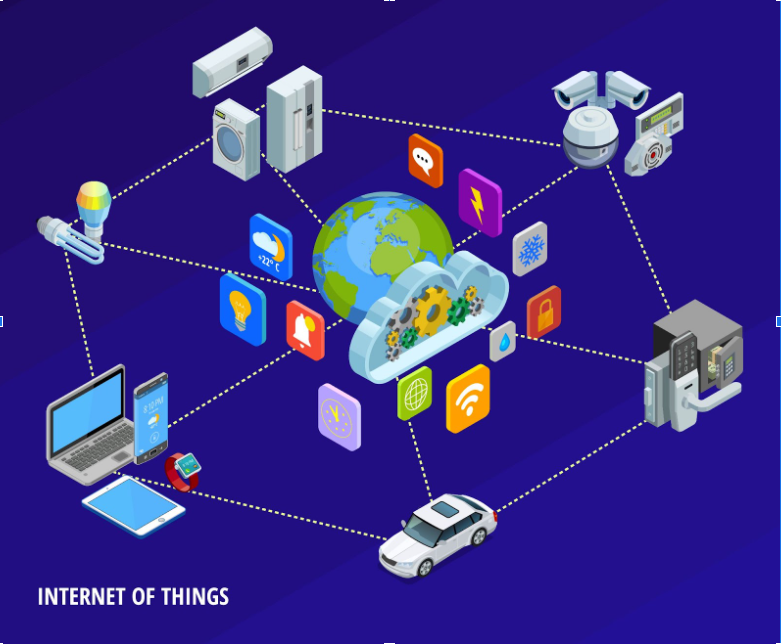
Facilities management experiences significant changes due to its combination with AI and IoT and automation technology. Predictive maintenance receives improvement through smart sensors which cuts downtime expenses together. Automated systems establish automated energy-sensitive security operations which lead to improved efficiency. The adoption rate of AI-based management systems for electrical lighting and heating ventilation air conditioning and security infrastructure will grow to meet business demands which will cut operational human requirements and improve process effectiveness by 2025.
Example: A multinational company successfully utilized IoT-connected smart lighting to meet natural light conditions thus decreasing their electricity expenses by 25% through this implementation.
Green strategies that focus on energy conservation and waste elimination have started to become popular industry-wide. Modern organizations choose LEED-certified buildings because they want to fulfill their sustainability targets. Several responsible practices related to green solutions with solar power and water recycling have entered into normal operational routines.
Key Innovations:
Learn more about LEED certification here.
Workplace changes because of hybrid work require businesses to redesign their office environments. The responsibility of facilities managers now extends to both safety provision as well as establishment of flexible spaces that promote productivity. Managers should focus on bettering indoor air conditions while developing social locations and deploying occupancy detection tools for efficient space allocation.
Example: The implementation of ergonomic office furniture together with wellness rooms by companies leads to better employee satisfaction rates alongside higher productivity outputs.
The implementation of security solutions with AI sensors along with biometric entry systems improves protection levels for workplace areas. AI-based security systems enable facilities managers to discover security dangers at the moment which creates safer workplaces.
The site is functioned to update security solution updates.
Organizations extensively depend on analytics alongside big data to achieve maximum optimization of their facility operations. Business data analysis points organizations toward improved operational efficiency through both energy efficiency improvement and staffing allocation decisions. A company applying AI-powered analytics frequently finds inefficiencies as well as reduces costs to up to 30%.
Companies now embrace smart building solutions containing automated systems and photovoltaics integrated with energy-efficient designs for minimizing operational expenditure during this energy price increase period. The monitoring of real-time energy consumption is now possible through AI technologies which various companies employ.
More on smart building technology.
Challenges Facing the Facilities Management Industry
Controlling expenses to preserve service quality represents a management hurdle which organizations face daily. The continuous increase of energy prices accompanies rising labor expenses and escalating maintenance expenses. Facility managers need to discover new approaches that will strike an equilibrium between cost management and service quality levels.
The facility management sector needs more skilled personnel because its professional requirements keep increasing. Organizations must spend resources on workforce development combined with staffing techniques to solve their skill shortage problem. The organization needs to provide AI facility management training for its current personnel to enhance their capability with AI tools.
Explore global workforce trends.
Digital system dependencies have made cybersecurity threats one of the major challenges today. Smart buildings face extensive cybersecurity risks because hackers frequently attack these facilities so adequate security protocols become crucial for their protection. Security checks conducted regularly along with encrypted systems and artificial intelligence-assisted threat monitoring require priority from companies.
The government has started enforcing strict requirements about workplace safety together with environmental impact regulations. Organizations need to maintain continued adherence to new regulations together with sustainable targets. Managers must submit mandatory carbon footprint reports due to mandatory regulations in numerous areas.
The current supply chain problems prevent facility managers from obtaining equipment and materials which causes delays to projects and affects their budget allocations. Companies need to look for suppliers within their local area while simultaneously developing forecasted procurement techniques as a solution to minimize supply chain problems.
Analyze equipment performance with AI analytics tools which enables businesses to recognize malfunctions before they develop thus reducing operational delays and maintenance expenses. Application of AI for scheduling maintenance operations allows organizations to prevent annual repair costs that reach thousands of dollars.
A technician performs predictive maintenance tasks through an AI-powered dashboard which appears on the screen as shown in the following image.
Company facilities should establish regular training courses with certification programs to build professional abilities because of worker skill deficit problems. AI-based virtual training programs gain more popularity in the market.
The protection of facilities from cyber threats requires them to use advanced encryption, develop access control systems and perform continuous security audits.
The implementation of solar energy paired with smart heating ventilation and air conditioning systems and water efficiency methods produces major environmental benefits. Discover sustainability solutions.
Hiring integrated facilities management providers enables organizations to evolve their operation process while maximizing their budget allocation. Specialized expertise becomes available to businesses without forcing them to build substantial internal investment programs.
The implementation of facilities management solutions within cloud computing provides staff with the capability to monitor sites remotely while creating real-time reports and achieving team-wide interoperability. Become familiar with the functionalities of cloud FM software.
The current facilities management sector in 2025 depends on technological innovations and sustainability goals as well as employee skills transformation needs. A combination of smart technology deployment, employee welfare promotion alongside sustainable measures enables businesses to establish future-proof efficient facilities.
Organizations within Saudi Arabia and worldwide need to embrace these transformations because they lead to operational excellence together with cost reduction and above-average workplace quality.